MTSA Welcomes Richie Flowers as Program Administrator

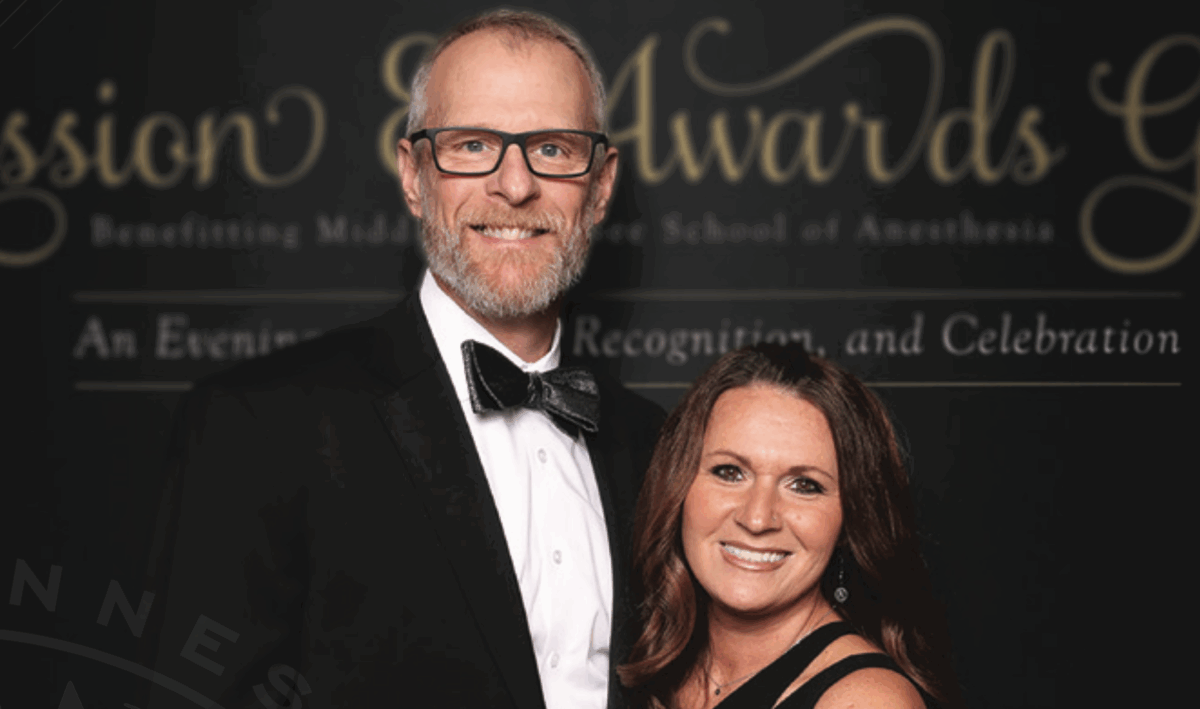
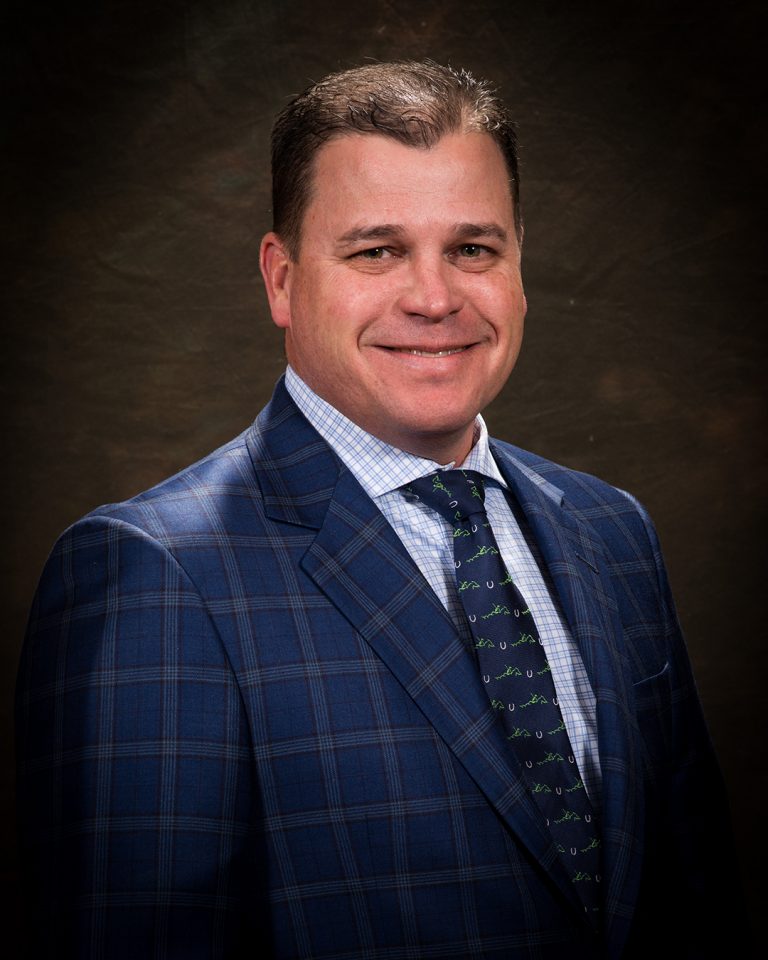
Middle Tennessee School of Anesthesia (MTSA) has announced the appointment of Richard “Richie” W. Flowers Jr. (pictured, right), DNP, CRNA, CHSE, FAANA, as Program Administrator.

Beginning in January 2025, Flowers will lead MTSA’s flagship program, the Doctor of Nurse Anesthesia Practice (DNAP), bringing a broad range of experience in both the academic and clinical settings. He is also an MTSA alumnus, earning a Master of Science with a focus in Nurse Anesthesia degree in 1997.

“I’m excited to go back to where my journey to becoming a CRNA began 30 years ago next year!” Flowers said. “Having the opportunity to lead such a prestigious program is truly an honor and privilege. It feels like this is where I belong, and I can’t wait to be home.”

Flowers currently is Assistant Professor, Department of Academic Nursing, Wake Forest University School of Medicine, where he has served in various academic and leadership roles since 2015. Prior to that, he worked as a CRNA in numerous clinical practice environments, including owning his own practice.

“We are thrilled to welcome Dr. Flowers ‘back’ to MTSA!” said President Chris Hulin, DNP, MBA, CRNA. “His background in the clinical setting, combined with his experience at Wake Forest as well as serving on non-profit boards and professional organizations, has uniquely positioned him to excel in program administration. We have the utmost confidence in his ability to take MTSA’s program to the next level.”

“I firmly believe that you have to know where you’ve been to fully understand where you are going,” Flowers added. “I’m eager to engage with the staff, faculty, learners, alumni, and stakeholders of MTSA to learn about what makes it such a special place so that our vision for the future embraces the incredible legacy of the past. MTSA has a long history of producing excellent CRNAs, and I look forward to not only continuing this legacy but making sure we are preparing our graduates for the exciting opportunities they will have in the future.”

Flowers earned his Doctor of Nurse Practice (DNP) degree from Baylor College of Medicine, a Master of Science from MTSA, and a Bachelor of Science in Nursing (BSN) from Memphis State University.

MTSA’s Practice Doctorate/DNAP program is a full-time course of study for 36 consecutive months, on the campus of MTSA. It prepares learners to become experts in providing anesthesia care in a wide range of settings, applying evidence-based practices and improving patient outcomes. The program features a rigorous clinical rotation process that offers students a vast array of clinical experiences in the peri-anesthesia setting.

About Middle Tennessee School of Anesthesia
Founded in 1950, Middle Tennessee School of Anesthesia (MTSA) provides graduate-level education and training of nurse anesthetists in a Christian environment born of its Seventh-day Adventist heritage. MTSA is the only independent, fully accredited anesthesia institution of its kind in the nation, instilling excellence through innovative and diverse clinical experience. More than 75% of Middle Tennesseans having surgery entrust their lives to its graduates on a daily basis. A leader in academic, clinical and professional distinction, MTSA is responsive to the needs of its constituents, providing affordable graduate education for students from diverse backgrounds. For more information, visit www.mtsa.edu.
Missions Update

Mission Initiative in Guyana

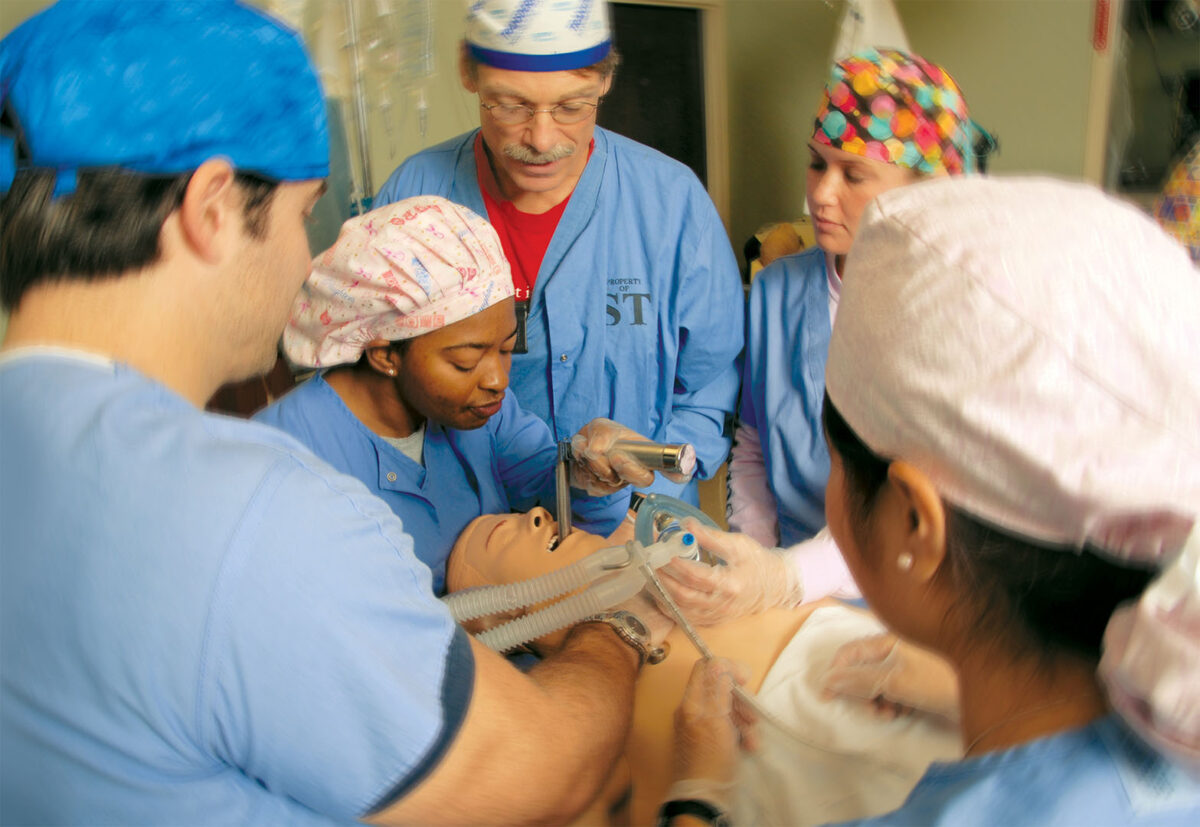
Ongoing support from the anesthesia community and beyond has enabled MTSA to continue its Mission Initiative in Guyana with Georgetown Public Hospital Corporation’s nurse anesthesia program. The work includes introducing Point-of-Care Ultrasound (PoCUS), providing iPads to the students, developing Bachelor- and Masterslevel curriculum, advancing safety through high-fidelity simulation, and much more.

The School has also engaged students in the Nurse Anesthesia Education Track who created online lectures, simulation experiences, and evaluations to address the top identified anesthetic emergencies for the program in Guyana. In addition, MTSA donated a considerable amount of high-quality audio/visual equipment that became available during recent campus renovations and IT infrastructure upgrades.

Next on the horizon for the Guyana program is the need for a simulation lab, including a SimMan 3G, for which MTSA is exploring partnership opportunities.


Guatemala Mission Trip

Several MTSA students went on a mission trip with Refuge International to San Raimundo, Guatemala, in May. The group spent the week caring for patients in need of surgical services such as cholecystectomies, hernia repairs, and various gynecological surgeries. The trip was unique in that the group was able to utilize regional anesthesia and offer blocks to nearly all of the patients, including pediatric patients.

Campus Renovations Enabling New Student Learning Opportunities

MTSA has engaged in a series of renovation projects throughout the year, providing new facilities for student learning and studying. Due to the MTSA Board of Trustees’ oversight of operations and investment strategies, funding for the projects was achieved without the need for financing.

The following facilities are now open, or will be opening soon:

Anatomy Lab

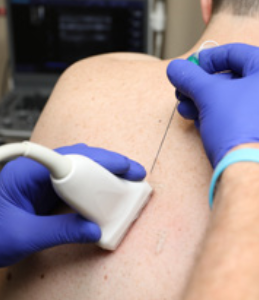
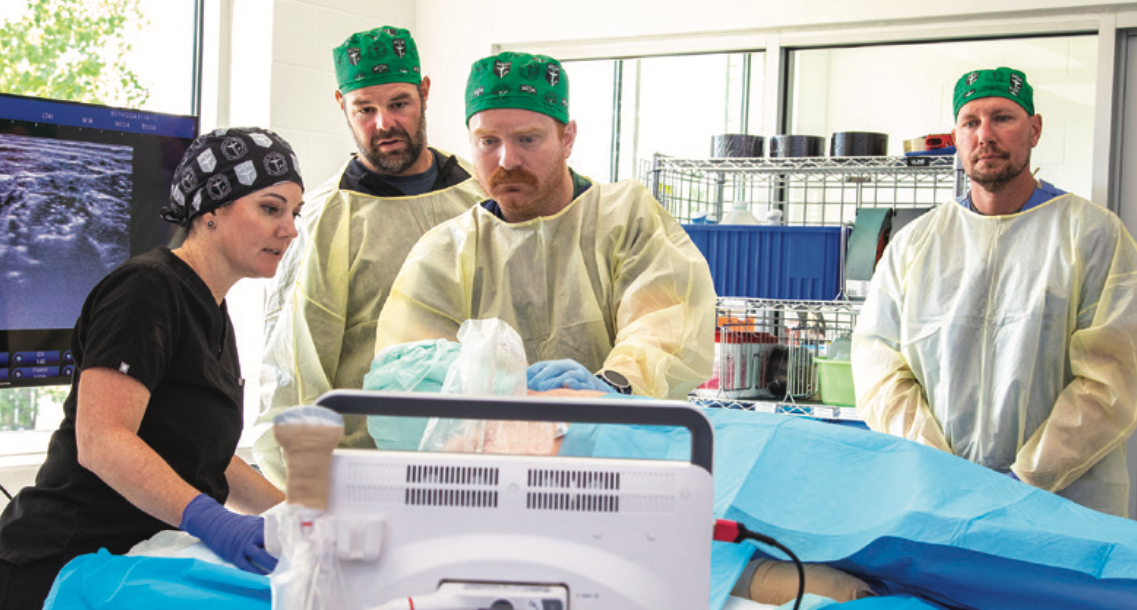
The addition to the Bowen Building features 1,840 square feet of lab space for ultrasound scanning and cadaveric specimens, including skills/practice labs and regional anesthesia workshops. New equipment provides students more opportunities for hands-on experience and advanced learning. A grand opening with ribbon-cutting ceremony is tentatively scheduled for September.

Student Study Spaces

Renovation of the Bowen Building’s outdoor patio features glass-enclosed, climatecontrolled rooms for all-season study space. In addition, rearranging of staff offices offers additional student study space.

“Martin Family” Board Room

The former Learning Resource Center in the DeVasher Building has been converted into a board room, named for the extended Martin family. The name reflects the contributions made by Board Chairman Vic Martin as well as his sister, Debbie Rose, who worked in MTSA’s financial aid department for many years. In addition, Debbie’s daughter, Melissa Rose Peoples, is an anesthesiologist who has practiced with and educated many MTSA students in our area. The board room will also be available for student study time.

Technology Upgrades

MTSA has installed new wi-fi coverage and other information technology infrastructure, including a complete overhaul to both classrooms and simulation labs.

Pain Fellowship Adds New Sites to Expand Clinical Opportunities

Middle Tennessee School of Anesthesia has announced the expansion of its Acute Surgical Pain Management Fellowship, offering CRNAs a variety of new and diverse clinical experiences. With the addition of these specialized clinical sites, each coordinated by Fellowship-trained CRNAs, the Fellowship aims to provide unparalleled opportunities for CRNAs to enhance their regional anesthesia skills and develop comprehensive acute pain management services.

Diverse and Specialized Clinical Sites

Crestwood Medical Center

Crestwood Medical Center, a 180-bed hospital in Huntsville, Alabama, has recently joined the MTSA Fellowship. Partnering with SportsMED, a prominent orthopedic group, Crestwood provides extensive experience in ambulatory surgeries, particularly for orthopedic and ortho-spine cases. The site is coordinated by Rachel Foy, CRNA, and John Martin, CRNA, both of whom are current Fellows. CRNAs at Crestwood perform a wide range of regional blocks, significantly enhancing their practical skills. “Recently, a Fellow performed more than 80 regional blocks in his five days with us,” said Foy. “We are excited to have Fellows here to share our enthusiasm for what we’re doing because it’s truly a game-changer for this area.”

Norton Hospital

Norton Hospital in Louisville, Kentucky, provides Fellows with the opportunity to enhance their skillset with truncal blocks. Coordinators Ben Sampedro, CRNA, and Evan Reagan, CRNA, both graduates of the Fellowship, ensure that Fellows receive tailored experiences to refine their techniques in regional anesthesia.

The anesthesia group’s approach to pain management has evolved significantly over the years, shifting from traditional opioid-based monotherapy to multimodal, opioid-sparing techniques, and in some cases, completely opioid-free methods. Fellows gain invaluable experience with truncal blocks primarily through their association with the Leatherman Spine group. Additionally, they handle a diverse range of cases, including orthopedics, breast surgeries, and surgical oncology, further broadening their clinical expertise.

“Fellows rotating at Norton are typically focused on enhancing their expertise in truncal blocks,” Sampedro explained. “Our goal is to customize the experience for each Fellow, ensuring they become highly proficient in patient assessment, identifying suitable candidates for these blocks, accurately placing the transducer to identify the appropriate target anatomy, and refining their needling techniques.”

“One thing we hear repeatedly is how challenging truncal blocks can be,” Reagan said. “Many CRNAs are accustomed to more superficial blocks in the upper or lower extremities. Our approach involves creating a mental checklist for them to consistently identify this challenging anatomy. It’s incredibly rewarding to hear that Fellows who rotate at Norton can successfully integrate what they’ve learned into their own clinical practice.”

SSM Health Bone & Joint Hospital at St. Anthony

Oklahoma City’s SSM Health Bone & Joint Hospital at St. Anthony was the Fellowship’s inaugural clinical site. The 100-bed orthopedic specialty hospital offers a comprehensive range of services, from sports medicine to various surgical interventions. Patrick Myer, DNAP, CRNA, is the Chief CRNA at the hospital as well as the clinical coordinator. He completed the Fellowship in 2018 as part of the first cohort.

While building confidence in regional techniques is a key element of the Fellowship, Myer emphasized that it goes beyond learning to perform blocks: “The Fellowship teaches you how to comprehensively manage acute surgical pain from the preoperative phase through the extended postoperative recovery period, ensuring effective pain management well beyond the immediate perioperative phase. My goal for Fellows is to demonstrate the full scope of our practice, showing them how to set up and run an acute pain service from the ground up.”

Additional Clinical Sites

MTSA’s Fellowship also includes partnerships with:

  • Crystal Clinic Orthopaedic Center, Cleveland, Ohio
  • Fairchild Medical Center, Yreka, California
  • Horizon Health, Paris, Illinois
  • Republic Pain Specialists, Bryan, Texas

About the Fellowship

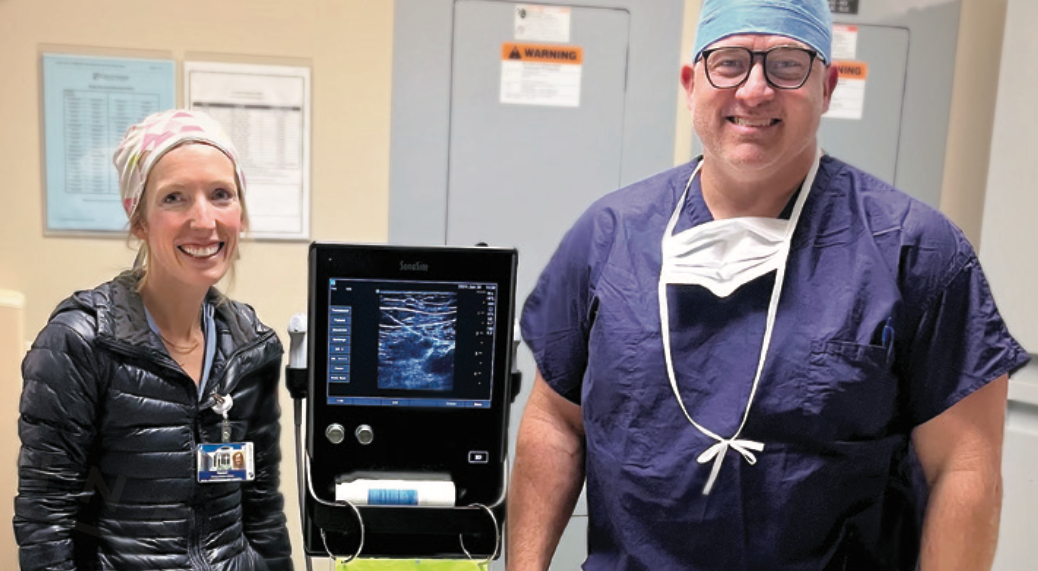
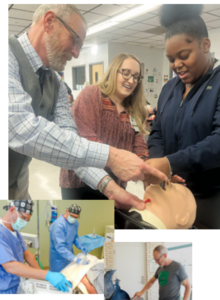
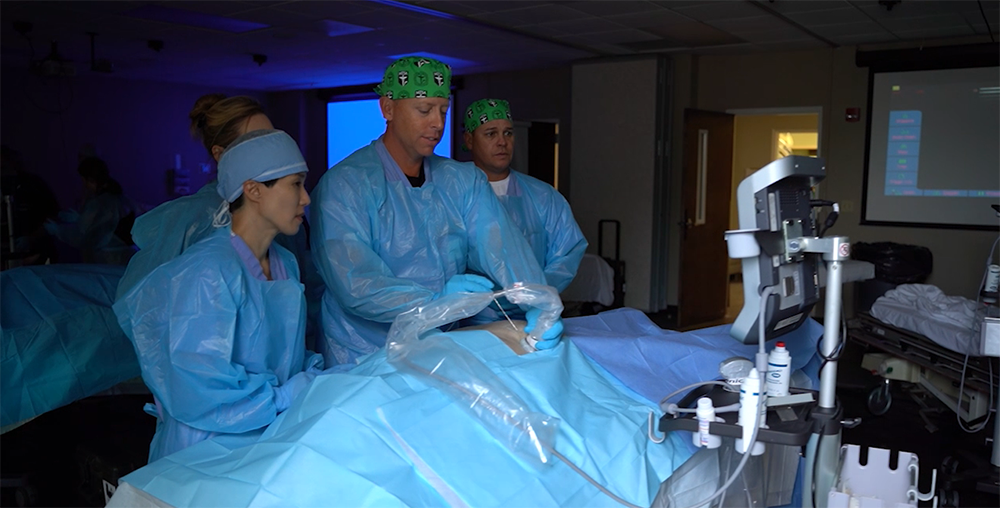
Led by director Christian R. Falyar, DNAP, CRNA, FAANA, and assistant director Nicolette B. Hooge (above left), DNP, MBA, CRNA, MTSA’s Fellowship comprises a comprehensive 12-month curriculum designed to enhance a CRNA’s regional anesthesia skills and provide the tools necessary to incorporate an acute pain service into their practice. The curriculum combines online education, live synchronous events with expert faculty, on-campus hands-on cadaveric intensives, and clinical rotations, ensuring a well-rounded and in-depth educational experience.

Fellows participate in two intensive week-long clinical rotations, where they become integral members of a pain service team, learning directly from Fellowship-trained clinicians. These rotations are packed with hands-on experiences, from assessing patients for regional anesthesia opportunities and performing complex blocks to managing patients in the PACU and rounding on previous surgical cases. This comprehensive training equips Fellows with the skills to revolutionize pain management practices. Graduates take the knowledge and techniques learned from these rotations back to their home practices, where they often become trailblazers, spreading innovative techniques and significantly enhancing patient care.

“One of the key advantages of the Fellowship is the lasting relationships Fellows build with other CRNAs across the country, who serve as invaluable clinical resources long after completion. This network allows them to consult with fellow CRNAs, ask questions, and continuously enhance their practice,” Hooge said.

Preparation and Enrollment

Candidates interested in the Fellowship are required to have experience performing blocks in practice and a foundational understanding of basic regional blocks. To help prepare candidates, MTSA offers the Regional Anesthesia Foundations Class, a 15-week comprehensive course covering essential regional anesthesia techniques, which are reinforced with a cadaveric workshop at the end of the class. This course ensures that candidates have the necessary background and skills to succeed in the Fellowship.

Jennifer Squibbs, CRNA at Crystal Clinic and recent graduate of the class, praised the Fellowship for its beneficial instruction and significant impact on her practice. “The learning and programming at MTSA leads our industry in excellence and performance,” she said.

The application period for MTSA’s next Acute Surgical Pain Management Fellowship cohort will open in late 2024. For more information, visit www.mtsa.edu/fellowship.

Airways Newsletter Features Program Administrator Rusty Gentry

From the latest issue of MTSA’s Airways newsletter… As MTSA bids farewell to outgoing Program Administrator Rusty Gentry, DNAP, CRNA, deep appreciation for his servant-hearted leadership at the institution was a recurring theme among faculty, staff and students.

MTSA President Chris Hulin praised Gentry’s efforts in elevating the Doctor of Nurse Anesthesia Practice program; increasing graduates’ National Certification Exam (NCE/boards) pass rates; advancing nurse anesthesia education in Guyana; overseeing the curriculum and program through successful Council on Accreditation (COA) and Southern Association of Colleges and Schools Commission on Colleges (SACSCOC) reaffirmation reviews; and guiding the program through the transition to doctoral education.

Gentry joined MTSA as the Assistant Program Administrator in December 2016 and was made the Program Administrator in January of 2017. Soon after coming on board, the school transitioned to doctoral education, which included a site visit by the Council on Accreditation. Later that year, MTSA was approved and received the maximum length of accreditation. Gentry then oversaw the acceptance of two cohorts within one year – the last master’s cohort and the new doctoral cohort, which enabled clinical rotations to continue with the same start and finish timeframe.

Over the course of his tenure, MTSA bucked the national trend of declining board scores with the move to the doctoral degree, increasing to the most recent graduating class which achieved a 97% first-time pass rate.

“We worked hard to develop better strategies of mentoring students using the board preparation tools to properly prepare them,” Gentry said. “We made several adjustments when going to a doctoral degree, and I think those adjustments have improved the program and quality of the education of the students. One major change was going to all-day clinicals. This provided the students more continuity; instead of coming to class for half a day, they could focus on being in clinical all day. We’ve added classes and rearranged things to better fit the curriculum to optimize student learning and to also incorporate the newest techniques.”

Under Gentry’s leadership, MTSA was one of the first schools that had PoCUS simulation and taught TEE. PoCUS was incorporated into the physical assessment class, and a new clinical evaluation tool was implemented that allows for more robust feedback from preceptors about students’ clinical performance and identification of at-risk students.

“I think it’s confirmation when you see former students and they say, ‘The program wasn’t easy, but I was well prepared to provide safe anesthesia.’ That’s what a program administrator wants to hear, that they can function at the level they desire in the anesthesia community whether that be in Nashville or anywhere else in the country,” Gentry said.

“One of the things I’ll miss is getting to see the growth of an individual obtaining a higher level of confidence in their abilities to perform in one of the most stressful environments in the medical profession,” Gentry added. “I’ve seen all different kinds of students – whether they’re timid or strong – and our job is to get them all the way to the end to be that confident provider.”

In Gentry’s view, the growth of the individual is of greater concern than “perfecting” skills to the highest level. “There’s a lot of satisfaction in seeing students reach the end of the program, walk across that graduation stage and start their career. There’s no ‘easy’ button; spending hours in the operating room is the only way to gather that level of confidence in cases, and the exposure to the different types of anesthetics in clinicals comes with time,” he said.

“We couldn’t have achieved what we did during my tenure if it hadn’t been for the faculty and the clinical partners. We’ve grown the number of clinical sites considerably over the years that I’ve been here, and we partnered with clinical sites that we hadn’t been in for 20 years. Without our clinical partners it would be impossible to do what we do,” Gentry added.

“At MTSA we care about our students in a unique, Christian way. I appreciated being able to pray with our students, having the freedom of a Christian heritage, and incorporating my own values into the way I approached the position,” he said.

During his tenure at the school, Gentry participated in five international mission trips with MTSA, including Haiti twice and Guyana three times. Reflecting on those trips, and the guiding principles of his work, he said his message to students is to “always remember it’s about the patient. I always tell them you have a very limited window of opportunity to gain the trust of someone who’s going to place their life in your hands.”

From all those whose lives he has touched, MTSA wishes Rusty all the best and many blessings in his future endeavors!

Airways Newsletter Features Research on Opioid Free Anesthesia With Robotic-Assisted Prostatectomy

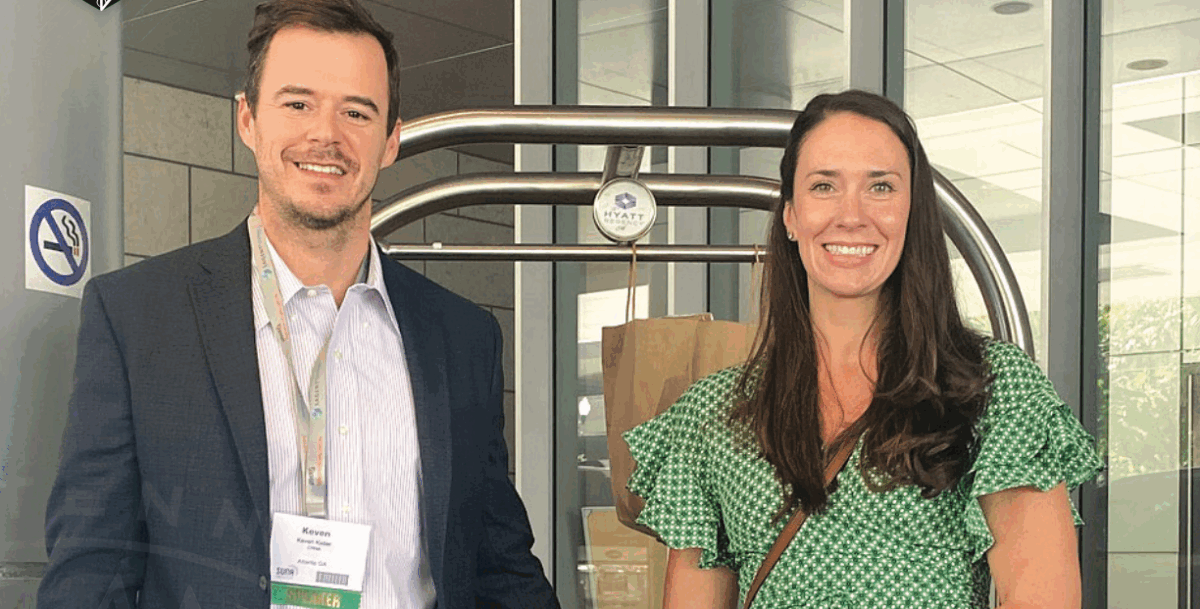
MTSA’s latest issue of the Airways newsletter features a synopsis of research by the husband-and-wife team of Keven Keller, CRNA, and Katie Keller, CRNA, both MTSA graduates. Their research was submitted for publishing in the Journal of PeriAnesthesia Nursing and continues the trend of MTSA graduates helping to advance opioid-sparing interventions and promoting evidence-based practice.

“The experience Katie and I had at MTSA put us head-and-shoulders above others we worked with because the clinical situations truly prepared us to be independent CRNAs.” – Keven Keller, CRNA, Class of 2013

TITLE: Short-Term Patient Outcomes after Implementation of Robotic-Assisted Radical Prostatectomy under Opioid Free Anesthesia at an Ambulatory Surgery Center

AUTHORS: Keven Keller, Katherine Keller, Thomas Baribeault, and Kenneth A. Wofford

SYNOPSIS: Opioid free anesthesia (OFA) is associated with decreased risk of postoperative nausea and vomiting (PONV) and need for rescue analgesia, making it ideal for patients anticipating same-day discharge. The purpose of this project was to describe the perioperative care and short-term outcomes for patients undergoing robotic-assisted radical prostatectomy (RARP) under OFA at an ambulatory surgical center (ASC).

A retrospective descriptive design was utilized to examine the perioperative care and short-term outcomes of patients undergoing RARP under OFA at an ASC.

The records of all sequential patients undergoing RARP over an 18-month period were reviewed. Data collected included patient comorbidities, surgical procedures, pre-, intra-, and post- medications administered, verbal numeric rating scale (VNRS) for pain scores, times to oral intake, ambulation, and discharge, patient disposition, and unplanned return to the ER or hospital within 30 days.

Data were extracted from 54 sequential records. Median VNRS scores were zero throughout PACU stay. Fifty-three patients (98.1%) were successfully discharged home, with an average postoperative stay of 250.8 (SD 35.0) minutes. There were no complaints of post-discharge nausea and vomiting or intractable pain at 72 hours after surgery. One patient was transferred to hospital and two patients returned to the emergency room within 30 days.

Conclusions: Although generalizability is limited, these results suggest that carefully selected patients can be discharged home after RARP under a balanced OFA technique. Innovative practices are needed to address the current backlog of patients needing non-emergent surgery.  Discharge home avoids the increase in resource consumption and infection risk associated with hospital admission.

About the Authors

Keven and Katie Keller are the founders and co-CEOs of Keller Anesthesia LLC in Atlanta. Formed in 2016, their group provides services at nine surgery centers in metro Atlanta, all focused on urology and gynecology. With 24 CRNAs on staff, their most common cases include kidney stone treatments, prostate biopsies, bladder tumors, vaginal repairs and hysterectomies.

Keven and Katie met while working as ICU nurses at Atlanta Medical Center. Both applied and were accepted to MTSA at same time, graduating from the Master’s program in 2013 and getting married the same year. They now have two daughters, Brinley, age 5, and Adeline, age 4.

“We managed to make it through anesthesia school together, so we figured this marriage is going to be rock solid,” Keven said. “When it comes to balancing our personal and professional life together, we like to say, ‘teamwork makes the dream work.’”

“We’ve always done everything together. It’s a partnership,” Katie said. “We bounce ideas off each other, and we both have areas of strength that are different but complementary.”

The Kellers’ research began as an attempt to minimize or eliminate opioid usage and enable quicker recovery by surgical patients. They were initially hesitant but, after extensive training, they were able to design an opioid-free ERAS urology protocol. It includes not only pre-op protocols but also steps to take several days prior to help prep patients all the way through the post-op period.

“From our research, we’re the first group to be able to do robotic prostatectomy at an ambulatory surgery center without opioids. For these and other applicable cases, this is a great option because it costs less. Being able to offer this to patients safely and to have better outcomes is a game changer,” Keven said.

One aspect of their research that they found most surprising was the negative sequela associated with opioid use. They recognized the pain reflex was much higher when opioids are used versus none at all. And there are many other negative side effects, such as longer lengths of stay, altered mental status, ileus and respiratory depression.

“It was shocking to realize how we’ve always practiced surgical pain management, when better alternatives are often available. It’s amazing that we can get patients in and out of a surgery center the same day. And the patients are blown away. They come in expecting to hurt and instead then they’re able to get up and leave within a matter of hours,” Katie said.

The Kellers both mentioned their experience at MTSA as a critical element of their success as CRNAs.

“MTSA’s program in general – the fact that we went to so many different clinical sites – gave us a variety of learning environments. I don’t know that we could have accomplished so much early on in our careers without that,” Katie said.

“We’re really grateful to MTSA and President Chris Hulin for giving us the opportunity. The school has done a phenomenal job. The experience Katie and I had at MTSA put us head-and-shoulders above others we worked with because the clinical situations truly prepared us to be independent CRNAs. Also, [MTSA Dean Emerita] Ikey DeVasher was there at the time. She and her husband, Bernard, were strong, faith-based leaders who really set us up for success,” Keven added.

MTSA to Commemorate National CRNA Week

Middle Tennessee School of Anesthesia (MTSA) is joining healthcare providers nationwide in recognizing the unique skills of Certified Registered Nurse Anesthetists (CRNAs) during National CRNA Week, Jan. 22-28.

More information is available at www.mtsa.edu/CRNAweek.

“Comprising more than 50% of all anesthesia providers in the U.S., CRNAs continue to be recognized for their specialized skills, including airway management, intubation and advanced patient assessment. They administer every type of anesthesia in all types of patients in every healthcare setting where anesthesia is delivered,” said MTSA President Chris Hulin, DNP, MBA, CRNA.

According to the American Association of Nurse Anesthesiology (AANA), more than 59,000 CRNAs and student registered nurse anesthetists provide anesthetics to patients in the United States each year, delivering the same safe, high-quality anesthesia care as other anesthesia professionals but at a lower cost, helping to control the nation’s rising healthcare costs.

Due to its significant alumni base in the region, MTSA estimates more than 75% of Middle Tennesseans having surgery entrust their lives to its graduates on a daily basis.

“With a focus on preventative care and a growing demand for more medical services in a variety of settings, advanced practice nurses such as CRNAs are essential to our healthcare system. As nurses, they establish great relationships with patients, helping put them at ease and make them comfortable,” Hulin said.

In addition, CRNAs across the country are actively leading hundreds of initiatives to combat opioid abuse and provide effective pain management. This includes collaborating with professional, governmental and community organizations.

About CRNA Week
National CRNA Week is the AANA’s annual celebration of anesthesia patient safety, helping patients, hospital administrators, healthcare professionals, policymakers, and others become more familiar with the Certified Registered Nurse Anesthetist (CRNA) credential and the exceptional advanced practice registered nurses who have earned it.

About Middle Tennessee School of Anesthesia
Founded in 1950, Middle Tennessee School of Anesthesia (MTSA) provides graduate-level education and training of nurse anesthetists in a Christian environment born of its Seventh-day Adventist heritage. MTSA is the only independent, fully accredited anesthesia institution of its kind in the nation, instilling excellence through innovative and diverse clinical experience. More than 75% of Middle Tennesseans having surgery entrust their lives to its graduates on a daily basis. A leader in academic, clinical and professional distinction, MTSA is responsive to the needs of its constituents, providing affordable graduate education for students from diverse backgrounds. For more information, visit www.mtsa.edu or call (888) 353-MTSA.

More information about the role and value of CRNAs is available from the AANA at www.aana.com.

Stace Dollar Discusses Opioid Research

MTSA’s latest issue of the Airways newsletter features a synopsis of research by MTSA graduate and Acute Surgical Pain Management Fellowship faculty member Stace Dollar, DNAP, CRNA. His research was recently published in the Journal of PeriAnesthesia Nursing and represents one of the ways MTSA’s focus on acute surgical pain management and opioid-sparing interventions supports and promotes student scholarship that helps fight the opioid crisis.

Here’s more from our extended conversation with Dollar:

MTSA: How did you decide on this topic for your research?

Dollar: One of the motivations for conducting this research is the fact that the opioid epidemic has become personal to so many people, myself included. Whether it’s family members or friends that have been affected, it’s an important issue that many of us in the medical field are trying to address and solve.

MTSA: Was there anything that surprised you during this process?

Dollar: During the research, I was surprised to find the sheer number of opioid-related deaths reported every day. One recent statistic is that between 2000 and 2019 opioid deaths increased by 255%. Because my research dealt with opioid disposal education, I found it interesting to examine how we as nurses educate patients every day – whether it’s “passive education” where we print information and hand it to the patient, or “active education” where we sit down and explain it to the patients. Another factor is the timing of the education which is usually either pre-operative or post-operative. One thing that I found in the research is that there’s no consistency in opioid disposal education. Many people are unaware of proper storage and disposal so unfortunately they keep them in their medicine cabinet, and that’s how a lot of people have their first exposure – finding them in a friend’s or family member’s medicine cabinet.

MTSA: What outcomes do you hope to see as a result of this research being published?

Dollar: I hope this research has an effect on best practices in terms of educating patients about disposal. In one study I found, the anesthesia provider provided “active” opioid disposal education which resulted in a 74% disposal rate. If we provided consistent active opioid disposal education throughout every phase of care, disposal would become a norm. Also, I believe these rates would be even higher than 74% and have an impact on the opioid epidemic.

MTSA: What other insights did you gain about opioid disposal through your research?

Dollar: Another hurdle in opioid disposal is the patient’s fear of future pain, which causes them not to dispose of their opioids. Patients have many reasons for retaining their opioids. It could be that they have experienced significant pain in the past, or could be that “just in case” they need it for some other form of pain, they decide to hang on to their opioids. Other forms of pain could be the simple headache. I really think fear of future pain would be an important topic for a future study.

MTSA: How did your connections and education at MTSA inform your research?

Dollar: My education at MTSA has played an important role in this research. Starting several years ago, my enrollment in the Acute Surgical Pain Management Fellowship helped set this in motion. John Edwards and I had this vision for research on disposal since the time we were in the Fellowship, and in our doctoral program at MTSA, Dr. Halle Evans and Dr. Bill Johnson were a huge factor in leading us towards our goal. John and I had published a few articles with a group from the research department at our facility, but we had never actually written a paper start to finish. Dr. Evans and Dr. Johnson were instrumental in that, teaching us not only how to review research but also how to create it, write it and publish it. And our co-author Dr. Jan Odom-Forren has been at the forefront in working on the opioid epidemic and my content expert on this project.

Learn more about MTSA’s Acute Surgical Pain Management Fellowship at https://mtsa.edu/fellowship

Airways Newsletter Features Research on Opioid Disposal

MTSA’s latest issue of the Airways newsletter features a synopsis of research by MTSA graduate and Acute Surgical Pain Management Fellowship faculty member Stace Dollar, DNAP, CRNA. His research was recently published in the Journal of PeriAnesthesia Nursing and represents one of the ways MTSA’s focus on acute surgical pain management and opioid-sparing interventions supports and promotes student scholarship that helps fight the opioid crisis.

“My education at MTSA has played an important role in this research. Starting several years ago, my enrollment in the Acute Surgical Pain Management Fellowship helped set this in motion.” –Stace Dollar, DNAP, CRNA

TITLE: Compliance With Opioid Disposal Following Opioid Disposal Education in Surgical Patients: A Systematic Review

AUTHORS: Stace Dollar, DNAP, CRNA; Hallie Evans, DNP, CRNA; John M. Edwards, III, DNAP, CRNA; Jan Odom-Forren, PhD, RN, CPAN, FASPAN, FAAN; and Bill Johnson, DNAP, CRNA

SYNOPSIS: The present opioid epidemic in the United States is a significant cause for concern in healthcare. In 1995, the concept of pain was introduced as the fifth vital sign. Since then, the sales of opioids have increased dramatically, as have the number of opioid deaths. The misuse and diversion of retained opioids following surgical procedures contribute to the problem. The objective of this project was to review the latest scholarly work and evaluate the findings related to patient education and disposal of opioid medications to decrease opioid misuse and increase disposal.

The systematic search strategy included PubMed, Ovid Technologies (OVID), and Cumulative Index of Nursing and Allied Health Literature (CINAHL) electronic databases.

A total of four randomized controlled trials (RCTs), two quasi-experimental studies, and two quality improvement projects met the criteria for inclusion. The studies found that as many as 92% of patients had leftover unused opioids. The retention rate of opioids among surgical patients was found to be 33 to 95%. When educational material was provided about disposal, the studies found that the disposal rate was as high as 71%.

Conclusions: Patient education about opioid misuse, diversion, and disposal are essential topics that need to be addressed with patients and caregivers.

ABOUT THE AUTHORS

Stace Dollar, DNAP, CRNA is a faculty member for MTSA’s Acute Surgical Pain Management Fellowship and a CRNA at Baptist Health Lexington.

Hallie Evans, DNP, CRNA, is an Associate Professor at MTSA.

John M. Edwards, III, DNAP, CRNA is a faculty member for MTSA’s Acute Surgical Pain Management Fellowship and a CRNA at Baptist Health Lexington.

Jan Odom-Forren, PhD, RN, CPAN, FASPAN, FAAN, University of Kentucky College of Nursing, Lexington, KY.

Bill Johnson, DNAP, CRNA, has served as the Director of the Acute Surgical Pain Management Fellowship at MTSA.

Now Open: Enrollment for 2022 Nurse Anesthesia Programs

It’s a new year, with new opportunities for career growth! MTSA is now accepting applications for a wide range of nurse anesthesia programs to help you excel as a CRNA. Visit mtsa.edu/apply for details.

NEW!
Nurse Educator Certificate Program

MTSA’s Nurse Educator Certificate Program is a 12-month course of study that prepares students to function in the Nurse Educator role. Students learn about the theoretical foundations of nursing education, how to assess educational needs, various evidence-based teaching and assessment strategies, curriculum design and development, and program evaluation. Application deadline: June 1.

Nurse Faculty Loan Program

Admitted students in the Nurse Educator Certificate Program may be eligible for HRSA Faculty Nurse Loan program (FNLP) with a four-year nurse educator employment commitment post-graduation which provides 85% loan forgiveness when this educator employment is completed. Students interested in the FNLP should contact the Grant Director, Bill Johnson, DNAP, CRNA, at bill.johnson@mtsa.edu for eligibility screening.

Doctor of Nurse Anesthesia Practice (DNAP)

MTSA offers the DNAP Practice Doctorate to registered nurses who have met each of the application requirements for admission. The DNAP Practice Doctorate is a full-time course of study for 36 consecutive months. Application deadline: May 31.

The DNAP Completion program is specifically designed with the working CRNA in mind and in an online format. All students accepted into the program must be currently licensed CRNAs. The program can be completed over two years. Application deadline: June 1.

Acute Surgical Pain Management Fellowship

From medical management approaches, such as multimodal therapies and opioid sparing strategies, to advanced interventional techniques, including continuous catheter utilization, CRNAs acquire the knowledge to treat patients with confidence and skill at MTSA’s Acute Surgical Pain Management (ASPM) Fellowship. Application deadline: June 1.

MTSA offers dual enrollment in the DNAP Completion program along with the ASPM Fellowship or the Nurse Educator Certificate Program, allowing students to complete two academic tracks at once!

Regional Cadaveric Workshops

Registration is now open for MTSA’s 2022 Cadaveric Ultrasound-Guided Regional Anesthesia workshops for CRNAs. These are hands-on training courses utilizing cadavers and “live” scanning models, state-of-the-art ultrasound technology, and a comprehensive approach to regional anesthesia techniques for surgery and acute pain management. Space is limited, so register today!

2022 Workshop Schedule:

March 20 — Basic Course [SOLD OUT]
July 24 — Advanced Course
October 2 — Basic Course
November 13 — Advanced Course

For more information, contact Bill Johnson at (615) 732-7846 or bill.johnson@mtsa.edu.

Advanced Physiologic Foundations Class

Taught by Brett Clay, DNAP, CRNA, this course discusses advanced human physiologic concepts at the system, organ, cellular, and subcellular levels, with the overall goal to enhance the learner’s foundation for nursing practice. This year, a new summer course is available: May 2 – Aug. 11. Application deadline: March 31.

Rosann M. Spiegel, JD, DNAP, CRNA, APRN

Dr. Spiegel has been a Certified Registered Nurse Anesthetist since 1987 and a licensed attorney in the state of Florida since 2005. In 2022, Dr. Spiegel retired from her position as Assistant Professor and Program Director of the Florida Gulf Coast University Nurse Anesthesiology Program in Fort Myers, Florida and currently engages in clinical practice at an outpatient surgery center in Lecanto, Florida. Dr. Spiegel earned a Diploma in Nurse Anesthesia from the Mary Hitchcock Memorial Hospital School of Nurse Anesthesia at the Dartmouth-Hitchcock Medical Center in 1986, a Juris Doctor degree, magna cum laude, from the Florida International University College of Law in 2004, and a Doctor of Nurse Anesthesia Practice degree from Virginia Commonwealth University in 2013. From 2005 to 2006, Dr. Spiegel served as an Assistant Public Defender for the Law Offices of the Public Defender for the Eleventh Judicial Circuit of Florida, and from 2006 to 2011, she was in private practice as a trial lawyer primarily representing claimants in disability insurance disputes in state and federal courts. She has been an invited speaker on various legal, ethical, and clinical topics at local, state, and national professional meetings.

Modules/Topics Taught:
  • Legal, Ethical, and Professional Issues in APM

Maria Overstreet, PhD, RN

Dr. Overstreet earned her PhD in Nursing at the University of Tennessee, Knoxville in 2009. Her selected studies focused on nursing education methodologies including adult education and the use of nursing clinical simulation and debriefing exercises. Dr. Overstreet’s research focused on the current practice of nursing clinical simulation debriefing. Overstreet’s research findings led to the identification of three new patterns among educators and Fellows alike: accentuate the positive, higher order thinking, and experience counts.

Those patterns have driven Dr. Overstreet to focus on creating successful mentoring partnerships between the Fellows and faculty at MTSA. Serving as a mentor to nursing and nurse anesthesia Fellows at both the masters and doctoral levels, as well as faculty, Dr. Overstreet strives to look at the whole person when evaluating and advising on successes and areas for improvement. Consideration of the mentee’s physical, emotional, spiritual, and social health are just as important as their academic status, and Dr. Overstreet encourages mentors to incorporate strategies to ensure the mentee walks away with attainable goals and expectations, as well as resources they may need for support along their educational journey.

In 2017, Dr. Overstreet joined the Georgia Independent Colleges Association’s Higher Education Leadership Development (HELD) Mentor Program, where she provides one-on-one mentorship in development of leadership and skills in higher education for new Deans of a university in that state.

While away from campus, Dr. Overstreet enjoys growing summer fruits and vegetables and watching the daily antics of her foster cats and squirrel.

  • Advanced Mentoring Skills

Lorraine M. Jordan, PhD, CRNA, CAE, FAAN

Dr. Jordan is a CRNA who serves as the AANA Foundation’s CEO and AANA Chief Advocacy Officer. Lorraine works for the American Association of Nurse Anesthesiology and earned her anesthesia and doctoral degrees from The Ohio State University in Columbus, Ohio. In her role of Chief Advocacy Officer, she oversees Federal Government Affairs, AANA PAC, State Government Affairs, Practice, Wellness, Professional Education, Publications, Fellows Program and Research and Quality Departments. She serves as the CEO of the AANA Foundation, a nonprofit organization that supports research and education of nurse anesthetists. Dr. Jordan has been active and served in several organizations such as a surveyor for the Accreditation Association for Ambulatory Health Care, Chair of the Interagency Collaborative on Nursing Statistics, Academy Health, American Academy of Nursing, and Chair of the Nursing Foundation’s organization. Dr. Jordan’s passion includes nurse anesthesia education, quality and outcomes, the impact of anesthesia care, cost-effectiveness and healthcare policy.

Wendy Hoersting, DNAP, MBS, CRNA, APRN, CNE

Wendy Hoersting has been a clinical preceptor and student mentor since entering the anesthesia arena in 1997. For 25 years, her focus has been on her family, anesthesia practice, and community. Wendy currently serves as the sole CRNA to an oral surgery practice in coastal Georgia and offers shadowing and college planning to high school and college students. Due to a love for learning and the nurse educator track’s introduction, she returned to complete her DNAP at Middle Tennessee School of Anesthesia. Some areas of interest include evidence-based practice, provider self-care, advocacy, and mentoring.

Derek Bruff, PhD

Visiting Associate Director, Center for Excellence in Teaching & Learning, University of Mississippi

Derek Bruff is an educator, author, and higher education consultant. He directed the Vanderbilt University Center for Teaching for more than a decade, where he helped faculty and other instructors develop foundational teaching skills and explore new ideas in teaching. Bruff consults regularly with faculty and administrators across higher education on issues of teaching, learning, and faculty development. Bruff has written two books, Intentional Tech: Principles to Guide the Use of Educational Technology in College Teaching (West Virginia University Press, 2019) and Teaching with Classroom Response Systems: Creating Active Learning Environments (Jossey-Bass, 2009). He writes a weekly newsletter called Intentional Teaching and produces the Intentional Teaching podcast. Bruff has a PhD in mathematics and has taught math courses at Vanderbilt and Harvard University.

Jon Wilton

Modules/Topics Taught:
  • Ultrasound guided chronic pain
  • Ultrasound guided MSK


Christi Williams, PT, DPT, OCS, Cert. MDT

Dr. Christi Williams is a physical therapist and an Associate Professor in the School of Physical Therapy at Belmont University in Nashville, TN. Dr. Williams is an APTA Board Certified Clinical Specialist in Orthopedics and has also received her certification from the McKenzie Institute as a specialist in Mechanical Diagnosis and Therapy of the Spine. She serves as the director of anatomy at Belmont and teaches Human Anatomy in the physical therapy program, which includes full cadaveric dissections. In addition, she teaches Clinical Pathophysiology II and Kinesiology labs which help link the students’ basic understanding of anatomy & physiology to understanding the disease process and developing basic clinical examination skills for neuromuscular assessment.

Modules/Topics Taught:
  • Neuromuscular Assessment of the Upper and Lower Extremities

Ken Wetmore, MA

Ken Wetmore, MA, serves as the Senior Pastor of WholeLife Church in Orlando, FL, in addition to teaching in the Fellowship. He received his Master of Arts in Organization Leadership from Gonzaga University and his Bachelor of Arts in Communications from Southern Adventist University. Ken Wetmore joined the MTSA faculty as School Chaplain in 2012 and served in that position until 2021, which included teaching the Religion courses in the entry to practice program. He also served as the senior pastor at the historic, Madison Campus Seventh-day Adventist Church from 2016 to 2021. Although Pastor Wetmore no longer acts as MTSA School Chaplain, he continues to be an integral part of the Acute Surgical Pain Management Fellowship. Prior to becoming a pastor Ken worked in public relations and broadcast news. He has traveled extensively and has lived in New Zealand and Guam. His hobbies include reading, rugby, softball, music, and photography.

Modules/Topics Taught:
  • Spiritual and Cultural Aspects of Pain

Scott Urigel, MSN, CRNA

Scott M. Urigel, MSN, CRNA, earned his MSN at the Cleveland Clinic School of Nurse Anesthesia, Case Western Reserve University. He is a co-owner of Western Reserve Anesthesia Education and developer of the Block Buddy App, which is designed to assist in performing ultrasound-guided nerve blocks and point of care ultrasound (POCUS). Scott is a practicing CRNA at the Institute of Orthopedic Surgery where he performs general and ultrasound-guided regional anesthesia. He is also affiliated with Maverick Medical Education, where he contributes as an instructor in advanced pain management and POCUS.

Modules/Topics Taught:
  • Truncal Blocks II (Quadratus Lumborum Blocks)
  • Truncal Blocks III (Transversalis Fascial Plane Block)

Rhea Temmermand, PhDc, MSN, CRNA, FAANA

Rhea Temmermand, PhDc, MSN, CRNA, FAANA is a distinguished research scientist specializing in neuropharmacology within the Department of Pharmacology and Physiology at Drexel University. Her research focuses on the role of glutamate transporters in astrocytes and their impact on pain modulation, with particular emphasis on neuropathic pain, non-opioid drug development, and opioid addiction. In addition to her full-time research endeavors, she serves as an Adjunct Professor in Drexel University’s Nurse Anesthesia program and is the co-editor of a comprehensive science textbook designed for nurse anesthesiologists. She is also the co-founder of Atomic Anesthesia, an innovative EdTech company dedicated to transforming complex scientific and clinical concepts into accessible and practical resources for nurse anesthesia residents and CRNA faculty.

Dru Riddle, PhD, DNAP, CRNA, FAAN

Dru is a Professor and Director of Clinical Education at Texas Christian University and co-chair of the Cochrane US Network. He practices clinically in Fort Worth TX and has an interest in pharmacogenomics having completed his PhD at the Medical University of South Carolina. Dru is an active clinician, academic, and researcher.

Modules/Topics Taught:
  • Pharmacogenetics, Dynamics, and Kinetics of Acute Pain Management

Steve Parrish, MHS, CRNA

Steve Parish, MHS, CRNA, is currently the full-time Vice-Chief Nurse Anesthetist at John Peter Smith Hospital, a level-one trauma center in Fort Worth where he also serves as a CRNA. Mr. Parrish has been performing regional anesthesia for 8 years and is active in educating his hospital and anesthesia group in r/t regional anesthesia. He assisted with the establishment of the Acute Pain team for John Peter Smith Hospital in 2016. His goal is to help facilitate the education of regional anesthesia to those desiring to broaden their professional practice.

Modules/Topics Taught:
  • Upper Extremity Peripheral Nerve Blocks III (Suprascapular Block)

Daniel Nash, DNAP, CRNA

Daniel Nash, DNAP, CRNA, earned his Doctorate of Nurse Anesthesia Practice from Texas Wesleyan University and has been providing anesthesia as a sole practitioner and care team member since 1994. Dr. Nash is currently a partner at Maverick Regional Anesthesia Educators, LLC which provides schools, anesthesia groups, and working CRNAs with regional anesthesia education and Acute Pain Service consultation. He assisted with the formulation and implementation of the block program at a large hospital system in Texas and his specialty areas include pediatrics and regional blocks. He and his wife, Cathy, have been married for 35 years and have two children and two grandchildren. Dr. Nash loves fishing and music.

Modules/Topics Taught:
  • Lower Extremity Peripheral Nerve Blocks I (Fascia Iliaca)
  • Lower Extremity Peripheral Nerve Blocks III (Popliteal Plexus)

Patrick Moss, DNAP, CRNA

Patrick Moss, DNAP, CRNA, received his Master of Science with a focus in nurse anesthesia and Doctorate of Nurse Anesthesia Practice from the Middle Tennessee School of Anesthesia. His passion for educating colleagues about acute pain management – particularly those practicing in rural or underserved areas – led to doctoral work focused on determining the feasibility of tele-mentoring (remotely guiding) other CRNAs who have limited, or no, experience in providing ultrasound-guided regional anesthesia.  He has practiced nurse anesthesia for the last 19 years and is the Regional Vice President of Anesthesia Services for LifeLinc Anesthesia. He also serves as the Director of the Center of Excellence for Acute Pain Management for the Middle Tennessee School of Anesthesia and Halyard Health, facilitating quarterly cadaveric workshops focused on ultrasound-guided regional anesthesia. He and his wife, Mandy, have been married for 20 years and have two children, Parker and Will.

Modules/Topics Taught:
  • Lower Extremity Peripheral Nerve Blocks III (Obturator Nerve Block, Anterior Approach to the Sciatic Block)
  • Truncal Blocks I (ESP)
  • Truncal Blocks III (TPVB, Continuous Intercostal Nerve Block, Subpectoral Interfascial Plane Block)
  • Upper Extremity Peripheral Nerve Blocks III (RAPTIR, AxPB at Humeral Circumflex)

Jeffrey Molter, MSN, MBA, CRNA

Jeffrey Molter, MSN, MBA, CRNA, earned his MBA from Lake Erie College and his MSN at Case Western Reserve University. He is a practicing CRNA, owner, and president of Western Reserve Anesthesia Associates, an outpatient anesthesia center. He is a co-owner of the Block Buddy App for iPhone and Google, instructor and guest lecturer for Frances Payne Bolton School of Nursing at Case Western Reserve University, and guest lecturer for anesthesia programs throughout Ohio Lourdes University, Akron University, and Otterbein University.

Modules/Topics Taught:
  • Truncal Blocks I (TAP)

Munir Merchant, MD

Munir Merchant, MD, is an anesthesiologist with diverse experience. He is licensed in Texas, Missouri, and Arkansas, and currently is practicing in Fort Worth, TX.  He received his medical school training at the Seth GS Medical School in Mumbai, India. He completed residencies and internships in India and New York. He completed his fellowship in the Department of Pain Medicine at St. Luke’s Roosevelt Hospital Center, NY. Dr. Merchant has worked in a defense force hospital in Bahrain and then moved to the United States. He is committed to the field of anesthesia and pain management.

Modules/Topics Taught:
  • Clinical Assessment of Pain

Kelly Martin, MS, CRNA

Kelly Martin, MS, CRNA, received his Master of Science with a focus in nurse anesthesia from the WellSpan Health/York College of Pennsylvania nurse anesthesia program. He has been performing ultrasound-guided regional anesthesia for the past 6 years and currently serves as a member of the acute pain service at York Hospital. Kelly is also full-time faculty for the anesthesia program at York College of Pennsylvania. He is passionate about teaching acute pain management in both the classroom and clinical settings. Upon completion of the acute surgical pain management fellowship, Kelly’s goal is to help the acute pain service at York Hospital continue growing and to operate based on current guidelines and recommendations to provide safe and effective care.

Modules/Topics Taught:
  • Lower Extremity Peripheral Nerve Blocks III (Lumbar Plexus Block)

Serge Marchand, PhD

Serge Marchand, PhD, is a professor at the Faculty of Medicine and Health Sciences at Université de Sherbrooke. A neuroscientist by training, Dr. Marchand specializes in the neurophysiological mechanisms underlying chronic pain. His expertise includes pain evaluation in chronic pain patients, human somatosensory psychophysics, human electrophysiology, and endogenous pain modulation.

Dr. Marchand has held several key leadership roles in research and health sciences. He served as Scientific Director of the Sherbrooke University Hospital Research Center (2008-2013), Vice-President of Scientific Affairs at Genome Québec (2019-2020), and Scientific Director of the Fonds de recherche du Québec—Santé (2017-2019). During his tenure, he played a pivotal role in shaping research strategies and fostering scientific collaboration. From 2002 to 2010, he also held the Joint Chair in Physiopathology of Pain at UQAT-Université de Sherbrooke.

A prolific author, Dr. Marchand has written extensively on pain neurophysiology, publishing numerous scientific articles, book chapters, and books. His works include The Pain Phenomenon (Springer, 2024) and Mental Health and Pain (Springer Press, 2014).

Beyond his research, Dr. Marchand has contributed to national and international evaluation committees, providing expert insights to advance the field of pain science. His work continues to influence research, clinical practice, and healthcare policy.

Modules/Topics Taught:
  • Pathophysiology of Acute Pain

Mike MacKinnon, DNP, FNP-C, CRNA, FAANA

Mike MacKinnon graduated with a Master of Science in Nursing degree from Thomas Jefferson University in 2009, UMASS Boston as a Family Nurse Practitioner in 2015, and earned a Doctor of Nurse Practice degree from the University of Alabama in 2018. He has a special interest in difficult airways, ultrasound regional anesthesia, the business of anesthesia, and chronic pain management. Mike is co-owner of CE2 (www.ce2you.com) which trains CRNAs in the use of Ultrasound and non-surgical pain management.

Mike is currently the VP of Clinical and Practice Management for Valley Regional Anesthesia Associates (VRAA).

Modules/Topics Taught:
  • Business Fundamentals in Acute Pain Management

Brian Kasson, DNP, CRNA

Brian Kasson, DNP, CRNA, is an associate clinical professor at the Northern Kentucky University Nurse Anesthesia Program. He was a faculty member and speaker at the AANA’s highly acclaimed Spinal and Epidural Workshops for over 10 years and was the president of the Ohio State Association of Nurse Anesthetists. As author and coauthor, he has published in the AANA Journal, Anesthesia and Analgesia, as well as the chapters on Obstetrical Anesthesia in the 5th and 6th editions of Nagelhout’s textbook Nurse Anesthesia. As a speaker, he has presented at the state and national level.

John Halle, PT, PhD, ECS (Emeritus)

Dr. Halle, PT, PhD, ECS (Emeritus), earned his doctoral degree from the University of Iowa with a focus on Exercise Science. Dr. Halle was  with the Belmont Physical Therapy Program from1997 through May 2021, serving as Chair of the program from 2005 through May 2013. While Dr. Halle retired in 2021, he remains engaged with select classes within the Belmont Physical Therapy Program as an Emeritus Professor, and he continues to have an adjunct appointment within the Department of Medical Education and Administration at the Vanderbilt University School of Medicine. His professional areas of interest include anatomy, electrophysiological evaluation, orthopedics and sports medicine.

Modules/Topics Taught:
  • Aberrant Anatomy
  • Functional Neuroanatomy
  • Microanatomy

Tracie Goodwin, MHA/ED, BSP

Ms. Goodwin began her career in Nursing in Cardiology and Post Angioplasty and proceeded on to manage the Cardiac/EP Practice at Sutherland Cardiology for Dr Galen Van Wyhe for 10 years.  She worked for Avanos Medical for 10 years in the Acute Pain Division, Clinical Educator in the OR and patient care units, and presenting the benefits of an Acute Pain practice to administration and training nurses to assist in continuous peripheral nerve block and non-narcotic pain management

After receiving her Masters Degree in Healthcare Administration and Education she assisted in building the education department to further the mission on non and reduced narcotic pain management.  She is passionate about narcotic reduction while building confidence in the medical process.

Modules/Topics Taught:
  • Implementing an Acute Pain Service

David Gaskin, MHS, CRNA, NSPM-C

David has over 25 years of experience providing professional anesthesia services across all patient populations. He earned a BS in Nursing from Texas Christian University in 1993, a Masters in Health Sciences from Texas Wesleyan in 1998, and completed the Advanced Pain Management Non-Surgical Pain Management Fellowship through Texas Christian University in 2017-18. He was one of the first 50 Certified Registered Nurse Anesthetists in America to become board-certified in Non-Surgical Pain Management (NSPM-C). He relied on his extensive clinical experiences providing acute pain management techniques to form Maverick Medical Education with his good friend and coworker Dan Nash in January 2010. After completion of his pain fellowship, he opened Republic Pain Specialists in March 2019. Republic Pain Specialists was the first office-based pain practice owned by a CRNA in the state of Texas.

Modules/Topics Taught:
  • Lower Extremity Peripheral Nerve Blocks I (Femoral)
  • Upper Extremity Peripheral Nerve Blocks II (AxPB)
  • Transitional Pain (Stellate Ganglion Block)

Jamie Furstein, PhD, DNAP, CRNA, CPNP-AC, FAANA

Jamie Furstein, PhD, DNAP, CRNA, CPNP-AC, FAANA, received his Master of Science in Nursing with a concentration in Nurse Anesthesia from the University of Cincinnati in 2004. He worked at Cincinnati Children’s Hospital Medical Center for over 20 years before transitioning to an adult practice. Soon after Jamie embarked on his career as a CRNA, he refined his academic interests to explore techniques to manage pain in the pediatric population better. His efforts to ameliorate pain among pediatric patients have mainly focused on using ultrasound-guided regional anesthesia (UGRA) in clinical practice. As his clinical understanding expanded, so did his scholarly inquiry. Jamie remains actively involved in research on pediatric pain and is currently the Primary Investigator for several ongoing clinical trials. Over the years, Jamie has remained steadfast in his commitment to sharing the knowledge gained with future generations of clinicians. He has continually lectured at both local and national meetings and has repeatedly served as a hands-on instructor at the national level. Currently, he is faculty at three graduate nurse anesthesia programs and has developed several hands-on UGRA workshops designed for practicing clinicians wishing to incorporate UGRA into their clinical practice. The expertise he has gained throughout his career, in addition to his service to the nurse anesthesia community, has led to him receiving multiple awards for his contributions. Today, Jamie serves on several editorial boards guiding the literature specific to UGRA and pain management and continually seeks opportunities to further nurse anesthesia practice.

Modules/Topics Taught:
  • Evidence-Based Practice (EBP) in Acute Pain Management
  • Pediatric Regional Anesthesia
  • Scholarly Topics in Acute Pain Management

Helen Fosam, PhD

Helen Fosam, PhD, has 18 years of writing experience within academia and medical education. She currently serves as an international consultant, developing content for physician education in neurology, covering acute and chronic pain management, and has written numerous articles targeted at the physician audience focused on a pharmacological and non-pharmacological approach to pain management. She earned her PhD and completed her Post Doctorate research (Physiology) at Sheffield University, UK.

Modules/Topics Taught:
  • Non-Allopathic Considerations for Acute Pain Management
  • Psychological Impact and Neurocognitive Therapeutic Strategies of Acute Pain Management

Masson D. Farmer, DNP, CRNA

Masson D. Farmer, DNP, CRNA is a Certified Registered Nurse Anesthetist practicing independently in Texas. He earned his Master of Science in Nurse Anesthesia and Doctor of Nursing Practice Anesthesia from Texas Christian University. His doctoral work focused on aspects of multimodal analgesia sparking an interest in the field of acute pain management. He enjoys incorporating new ultrasound guided regional techniques into his practice and serving as a resource to his clinical colleagues. He advocates for the unencumbered practice of Nurse Anesthetists in Texas through volunteering for TxANA and the AANA and serves as a resource for regulatory and practice matters impacting Texas CRNAs. Outside of anesthesia, his interests include building/tinkering, cooking, drumming, and listening to music. He and his wife Carrie have one son.

Modules/Topics Taught:
  • Eye Blocks and Airway Blocks

John Edwards, DNAP, CRNA

John M. Edwards III, DNAP, CRNA, earned his Bachelor of Science degree from Murray State University in 1996 and his Master of Science in Anesthesia from Middle Tennessee School of Anesthesia in 2002. In January 2019, he completed the Acute Surgical Pain Management Fellowship from Middle Tennessee School of Anesthesia. In August 2021, he completed the Doctor of Nurse Anesthesia Practice degree at Middle Tennessee School of Anesthesia. John has been practicing at Baptist Health Lexington in Lexington, KY since 2004, where he Co-Founded and Co-Directs an Acute Pain Service. He is also the Co-Founder of Thoroughbred Anesthesia Academy and is a Course Collaborator  at Middle Tennessee School of Anesthesia in the Acute Surgical Pain Management Fellowship. John is a member of several medical professional committees such as the Baptist Health Lexington Acute Pain Committee, Baptist Health Lexington Opioid Committee, and the Baptist Opioid Safety and Ensurement (BOSE) committee. As Chair of the Acute Pain Committee, John has led the development of Baptist Health’s Acute Surgical Pain Management Guidelines and Acute Pain Order Set to provide a comprehensive approach to acute surgical pain management.

Modules/Topics Taught:
  • Lower Extremity Peripheral Nerve Blocks II (Adductor Canal)
  • Lower Extremity Peripheral Nerve Blocks III (iPACK block)
  • Truncal Blocks I (PECS I & II)
  • Upper Extremity Perineural Catheter Indications, Techniques, and Equipment
  • Upper Extremity Peripheral Nerve Blocks I (Brachial Plexus Block)

Stace Dollar, DNAP, CRNA

Stace D. Dollar, DNAP, CRNA, has been a practicing Certified Registered Nurse Anesthetist for 20 years and currently serves at Baptist Health Lexington, in Lexington, KY. He received his Doctorate of Nurse Anesthesia Practice from Middle Tennessee School of Anesthesia. He co-founded and co-directs an Acute Pain Service that has developed Enhanced Recovery After Surgery (ERAS) and regional anesthesia protocols for orthopedic joint replacement, neurosurgery, general surgery, breast cancer, urology, bariatrics, and plastics surgeries that improve patient outcomes and decrease length of stay. Dr. Dollar has traveled to Haiti with MTSA and the Touching Hands Project to serve on mission trips. While in Haiti, he was able to teach various regional anesthesia techniques to MTSA students. Dr. Dollar is also a clinical facilitator at the quarterly advanced cadaveric workshops facilitated by the Middle Tennessee School of Anesthesia.

Modules/Topics Taught:
  • Introduction to Regional Blocks
  • Superficial Cervical Plexus Block
  • Truncal Perineural Catheter Indications, Techniques, and Equipment
  • Upper Extremity Perineural Catheter Indications, Techniques, and Equipment
  • Upper Extremity Peripheral Nerve Blocks I (Infraclavicular Block)
  • Lower Extremity Peripheral Nerve Blocks (Nerve to the Vastus Medialis)

Jason Crosslin, MS, CRNA

Jason Crosslin, MS, CRNA, received his Master of Science with a focus in nurse anesthesia from Middle Tennessee School of Anesthesia and currently serves as a CRNA at LifeLinc Anesthesia. He also serves as a Regional Clinical Coordinator for Middle Tennessee School of Anesthesia at Northcrest Medical Center. He has been a member of both the Admissions Council and Progressions Committee at MTSA.

Modules/Topics Taught:
  • Lower Extremity: Adductor canal and catheter

Desiree Chappell, CRNA

Desiree Chappell, CRNA, is based in Louisville, KY. She has coordinated and assisted with the implementation of successful Enhanced Recovery Programs. She also serves as Associate Editor, US Lead, Anchor, TopMedTalk; Board of Directors for the American Society of Enhanced Recovery; Scientific Advisory Panel for Evidenced Based Perioperative Medicine (EBPOM)-USA; Founding Co-Director of PoCCo, LLC, The Perioperative Coaching Company.

Module/Topic Taught:
  • Enhanced Recovery After Surgery (ERAS)

Michael Burns, DNAP, CRNA

Michael Burns has been a CRNA for 21 years and an active member of AANA, MOANA, ASRA, and ESRA professional organizations. His clinical practice and research areas of interest are ERAS, acute pain management, and regional anesthesia. Burns’s lifelong focus has been to improve his patient’s safety, experience, and access to affordable healthcare in an economical responsible manner by educating future and present nurse anesthetists. Burns is a consultant and advisory panel member for several anesthesia medical device companies such as B Braun, Avanos, Teleflex, Edward’s Lifescience and Cumberland Pharmaceutics assisting with their development of new products and advancing the utilization of their current products as well as a medical legal consultant.

Module/Topic Taught:
  • Perineural Catheter Indications, Techniques, and Equipment

Patrick S. Myer, DNAP, CRNA

Clinical Mentor, St. Anthony’s Bone & Joint

Patrick S. Myer, DNAP, CRNA, has been a practicing Certified Registered Nurse Anesthetist since March 2006. He received his Master’s of Science in Nurse Anesthesia from Georgetown University and his DNAP from MTSA. He is also a graduate fellow of the inaugural cohort of the MTSA Acute Surgical Pain Management Fellowship. Patrick has a passion for patient-centered care and teaching others. He is an expert in regional anesthesia and point of care ultrasonography and frequently provides lectures and didactic instruction to other health professionals for regional anesthesia and point-of-care ultrasound examinations. Patrick currently works at SSM Health Bone and Joint Hospital in Oklahoma City, OK, as the Chief CRNA. He also serves as the clinical site coordinator for Middle Tennessee School of Anesthesia’s Acute Surgical Pain Management Fellowship.

Modules/Topics Taught:
  • Lower Extremity Peripheral Nerve Blocks I (PENG)


Nicolette B. Hooge, DNP, MBA, CRNA

Assistant Director, Acute Surgical Pain Management Fellowship

Nicolette B. Hooge, DNP, MBA, CRNA, is the Assistant Director of the Middle Tennessee School of Anesthesia’s Acute Surgical Pain Management Fellowship. In this role, she coordinates the clinical practicum, facilitates the fellowship seminar series, and organizes cadaveric and Point-of-Care Ultrasound (PoCUS) workshops. With 15 years of experience as a CRNA, Nicolette is actively engaged in clinical practice at VSON Alpine Orthopedic Surgery Center. She earned her Doctorate of Nursing Practice (DNP) from the Johns Hopkins School of Nursing and a Master of Business Administration (MBA) from Johns Hopkins Carey Business School. Nicolette has published in peer-reviewed journals and serves on the AANA finance committee as well as other professional national and regional committees.

Module/Topic Taught:
  • Acute Surgical Pain Management Fellowship Orientation
  • Cadaveric & POCUS Workshop
  • Clinical Practicum I
  • Clinical Practicum II
  • Clinical Practicum III
  • Teaching in Clinical Practice

Email: nicolette.hooge@mtsa.edu
Phone: 615-732-7667

Christian R. Falyar, DNAP, CRNA, FAANA

Director of the Acute Surgical Pain Management Fellowship

Christian Falyar is the Director of the Acute Surgical Pain Management Fellowship at the Middle Tennessee School of Anesthesia. As a former board-certified vascular sonographer, he has been involved in ultrasound-based education for nearly twenty years dating back to his research with transcranial Doppler sonography in patients suffering from subarachnoid hemorrhage. In addition to his role as Fellowship director, Dr. Falyar coordinates the cadaveric workshops, and teaches the regional anesthesia point-of-care ultrasound curriculum for the entry to practice program. Additionally, he holds an adjunct faculty position in the Department of Nurse Anesthesia at the University of Iowa. He lectures locally, regionally, and nationally on ultrasound related topics, and has been published in numerous peer-reviewed journals. For the past ten years, Dr. Falyar has served as the coordinator for the open ultrasound scanning labs at the AANA Annual Congress.

Modules/Topics Taught:
  • Acute Surgical Pain Management Fellowship Orientation
  • Acute Pain Management in the Non-Surgical Patient
  • Adjuvants
  • Anatomy: Cervical Plexus & Brachial Plexus
  • Anatomy: Lumbar & Sacral Plexus
  • Cadaveric & POCUS Workshop
  • Implications of Anticoagulant Therapy in Regional Anesthesia
  • Local Anesthetics and Lipids
  • Lower Extremity Peripheral Nerve Blocks II (Adductor Canal, Popliteal, Sciatic)
  • Neuraxial Techniques I & II
  • Non-opioid Analgesics
  • Non-traditional Approaches to Acute Pain Management
  • Opioid Analgesics
  • Perioperative Point-of-Care Ultrasound (PoCUS)
  • Ultrasound Principles

Email: christian.falyar@mtsa.edu
Phone: 615-732-7663

Bradley Steg, DNP, APRN, CRNA

Dr. Bradley Steg earned his Bachelor of Science from Middle Tennessee State University and his Doctorate of Nursing Practice from Union University, graduating as the class valedictorian for both degrees. In addition to earning his diploma, Dr. Steg received both the clinical and academic excellence awards as a SRNA.

Dr. Steg began his CRNA career at Jackson Madison County General Hospital in West Tennessee, where he was a member of the cardiac anesthesia team. Through his cardiac experience, he became highly skilled at using advanced hemodynamic monitoring to provide safe care to his patients. His involvement with this technology has given him the opportunity to actively serve as a clinical consultant for Edwards Lifesciences.

After moving back to Nashville, TN in 2023, Dr. Steg became a 1099 independent provider, practicing in various locations throughout the state. In addition to his clinical roles, he is currently an adjunct professor at Middle Tennessee School of Anesthesia.

Dr. Steg has been involved with both the American Association of Nurse Anesthetists (AANA) and the Tennessee Association of Nurse Anesthetists (TANA) since he started his anesthesia training in 2016. He has served on the TANA PAC committee in the past, and he will further his involvement with TANA by serving as the next District Ill Director.

Courses:
  • DEDU 860

Kim Sharkey, DNAP, CRNA, APRN

Faculty

Katrin Sames, DNAP, CRNA

Courses:
  • DBAP 840 Advanced Physiology & Pathophysiology: Pediatric Anesthesia
  • DEDU 850 Quality Improvement for Safety and Wellness in Patient Populations
  • DPCE 800 Physics, Chemistry and Biochemistry for Nurse Anesthesia
  • DNAP 640 Quality Improvement and Patient Safety
  • DNAP 660 Population Wellness and Health Promotion (Epidemiology)

Ginger Miller, DNP, CRNA

Courses:
  • DACS800, 810, 820, 830, 840 Simulation I-V
  • DBAP830 Advanced Physiology & Pathophysiology: Obstetrics Anesthesia

Michael D. Gooch, DNP, APRN, CCP, ACNP-BC, FNP-BC, ENP-C, FAASTN, FAANP

Courses:
  • DAPH 800 Pharmacology for the Advanced Practice Nurse: Nurse Anesthetists

Brent Dunworth, DNP, MBA, APRN, CRNA

Courses:
  • DEDU 820 Ethics, Leadership & Multicultural Healthcare in Nurse Anesthesia
  • DNAP 680 Leadership and Ethics in Nurse Anesthesia Practice

Brett Clay, DNAP, CRNA

Courses:
  • DAPP 800 Anatomy, Physiology, & Pathophysiology
  • DAPP 810 Advanced Anatomy, Physiology, & Pathophysiology I
  • DAPP 820 Advanced Anatomy, Physiology, & Pathophysiology II

Jordan F. Billings, DNAP, CRNA, APRN, CNE

Dr. Billings is a full-time faculty member at Middle Tennessee School of Anesthesia teaching in the Simulation lab and Doctorate Completion Program. She leads the Evidence-Based Practice I, II, III, IV classes and Informatics and Education for the completion program. She is a member of the School Life Committee and Wellness Initiative. She graduated from MTSA in 2017 and continues to work clinically as a CRNA. Dr. Billings completed the DNAP-C program and Nurse Educator Track through MTSA receiving her Certified Nurse Educator certification. She is the recipient of the 2023 The Larry Lancaster Outstanding Nurse Educator Award.

Courses:
  • Simulation -DACS 820
  • Evidence Based Practice I, II, III, IV: DNAP 600, 610, 700, 710
  • Education Curriculum, Instruction,Evaluation: Application: DNAP 715

Lewis McCarver, DNP, CRNA

Assistant Program Administrator, Director of Clinical Simulation
Courses:
  • DAPH 810, 820 & 830 Advanced Pharmacology Principles I, II & III
  • DACS800, 810, 820, 830, 840 Simulation I-V

Michele Gravois, DNAP, CRNA

Assistant Program Administrator
Courses:
  • DEBP 810, 820, 830 Evidence-Based Practice I, II & III
  • DEDU 820 Ethics, Leadership & Multicultural Healthcare in Nurse Anesthesia
  • DNAP 680 Leadership and Ethics in Nurse Anesthesia Practice
  • DEDU 830 Introduction to the Nurse Anesthesia Profession

Hallie Evans, DNP, CRNA, APRN, CNE

Director, Doctoral Completion Program and Nurse Anesthesia Educator Program

Hallie Evans, DNP, CRNA, APRN, CNE, began educating in 2009 as a clinical educator and preceptor for Nurse Anesthesiology students as well as a mentor for Scholarly projects. In 2015, she returned to school and earned her Post-Masters’ Doctorate of Nursing Practice degree. After earning this degree, she joined the faculty at Florida International University as an Assistant Clinical Professor, until accepting her position at MTSA in 2020. As a faculty member for the Nurse Anesthesia program at Florida International University, she taught a variety of courses in the didactic component of the Nurse Anesthesia program, including Technology in Anesthesia, Pharmacology, and Principles of Anesthesia. In addition to teaching didactically, she served as the coordinator of simulation creating, organizing, running, and evaluating anesthesia scenarios. She instructed the Scholarly Project progression of courses serving as a chair and supervisor of Doctoral Scholarly Projects. Throughout her academic career, she has maintained a strong clinical practice. Her scholastic interests include Evidence-Based Practice, Nursing Education, Leadership, and Regional Anesthesia to name a few. Currently, she teaches across the Doctorate Of Nurse Anesthesia Completion curriculum and serves as Director of the Completion Program.

Courses Taught:
  • Evidence Based Practice
  • Nursing Informatics
  • Nurse Education Teaching and Assessment
  • Nurse Education Theory and Foundations
  • Nurse Educator Practicum
  • Nurse Educator Curriculum Development

Alescia L. D. Bethea, PhD, MS, CRNA, APRN

Executive Vice President

Alescia Bethea, PhD, CRNA, APRN began her nurse anesthesia career in 1995 working with a small anesthesia group and precepting nurse anesthesia students on a daily basis.  She started working at the Nashville VA Medical Center in 1996, which included precepting nurse anesthesia students for a few years.  She was a part-time adjunct faculty member at Middle Tennessee School of Anesthesia (MTSA) in 1996 through 2005, where she taught Fundamentals of Nurse Anesthesia and was the first faculty member to integrate high-fidelity simulation into the curriculum starting in 2001.  In 2003, she returned to school to earn a PhD in Higher Education, and in late 2005 she transitioned to full-time employment at MTSA as the Associate Vice President for Institutional Effectiveness and Program Development.  In that role, she worked with the Program Administration to achieve 10-year reaccreditation from COA in 2008 and COA’s approval for the DNAP degree in a CRNA completion format in 2011.  In 2009, she led MTSA’s 10-year reaffirmation of accreditation with SACSCOC, and in 2012 she led MTSA’s successful application to SACSCOC for Level Change to the doctoral level.  Later in 2012, Dr. Bethea became the Nurse Anesthesia Department Chair and Program Administrator at AdventHealth University (AHU) in Orlando, FL.  While at AHU, in addition to teaching and mentoring roles, she led the program’s reaccreditations with COA in 2012 and 2020 (maximal 10-year span in 2020), and she led the transition to the DNAP degree, including obtaining COA and SACSCOC approvals for the new degree program.  In 2022, Dr. Bethea returned to MTSA as Executive Vice President, and in late 2023 she also began serving as Interim Program Administrator for MTSA’s entry-level DNAP program.

Chris Hulin, DNP, MBA, CRNA

President

Dr. Hulin is the President of Middle Tennessee School of Anesthesia and is a practicing Certified Registered Nurse Anesthetist (CRNA) with over 10 years of experience in this capacity. He currently serves on the National Advisory Council on Nurse Education and Practice (NACNEP), which advises the Secretary of the U.S. Department of Health and Human Services and the U.S. Congress on policy issues related to the Title VIII programs administered by the HRSA Bureau of Health Workforce Division of Nursing, including nurse workforce supply, education, and practice improvement. He began his career in home health administration and since then has had a varied and broad background in teaching, nursing administration, hospital administration, and academic administration. Dr. Hulin has served rural and underserved communities and is driven to impact real change in health equity. Dr. Hulin earned his MSN in Nursing Administration from Vanderbilt University, MS with a focus in nurse anesthesia from the Middle Tennessee School of Anesthesia, MBA from Regis University, and Doctor of Nurse Practice with a focus in education from Samford University.

Courses Taught:
  • DEDU 840 Healthcare Policy, Business, and Legal Issues (Practice Doctorate Program)
  • DNAP 650 Healthcare Policy, Economics & Legal Issues (Completion Program)
Fellowship Modules/Topics Taught:
  • Public Policy
Fellowship module:
  • Public Policy
Nurse Educator Student Spotlight cover photo for Beimal Yazdanparast

Beimal Yazdanparast, DNAP, CRNA, APRN, CNE

Beimal Yazdabparast is a Certified Registered Nurse Anesthetist and Certified Nurse Educator. She has been a CRNA for six years in various settings and practices including obstetrics, pediatrics, and adult specialty anesthesia at Vanderbilt University Medical Center and Tennessee Surgery Center. Precepting over the years influenced her to complete her doctorate to teach future CRNAs. 

In conjunction with the Doctorate Completion Program, she also completed the Nurse Educator Track. While in the program, she became an adjunct faculty member teaching OB Anesthesia at MTSA. She has had the opportunity to organize lectures, present live lectures, and administer exams. Her hard work, determination, collaboration, and passion allow her to become an educator who supports SRNAs to flourish into successful and skilled CRNAs.